
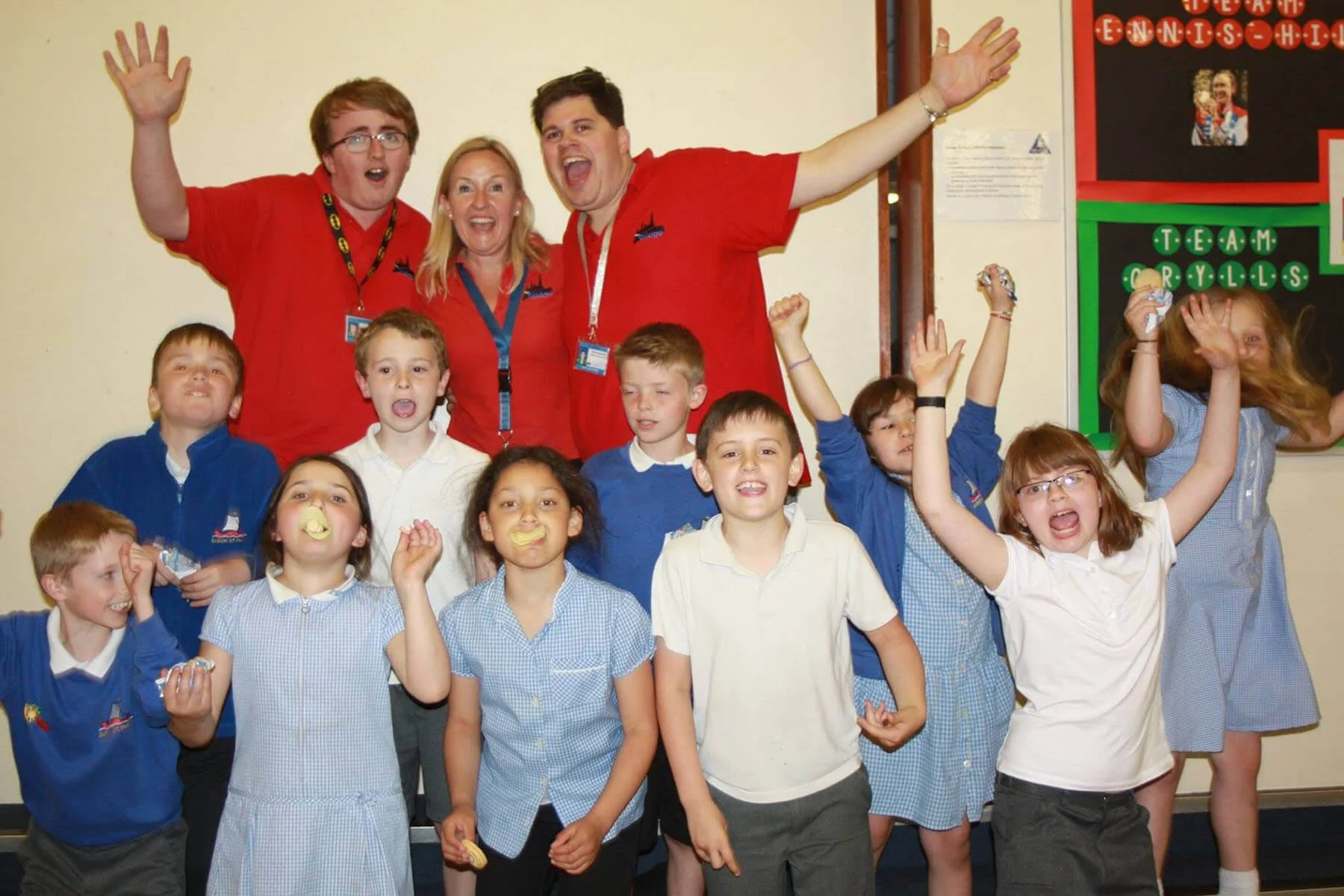
Our story
The Bridge Youth Project began in 1994 through the vision, persistence and faith of Gay Ridout and other faithful pioneers.
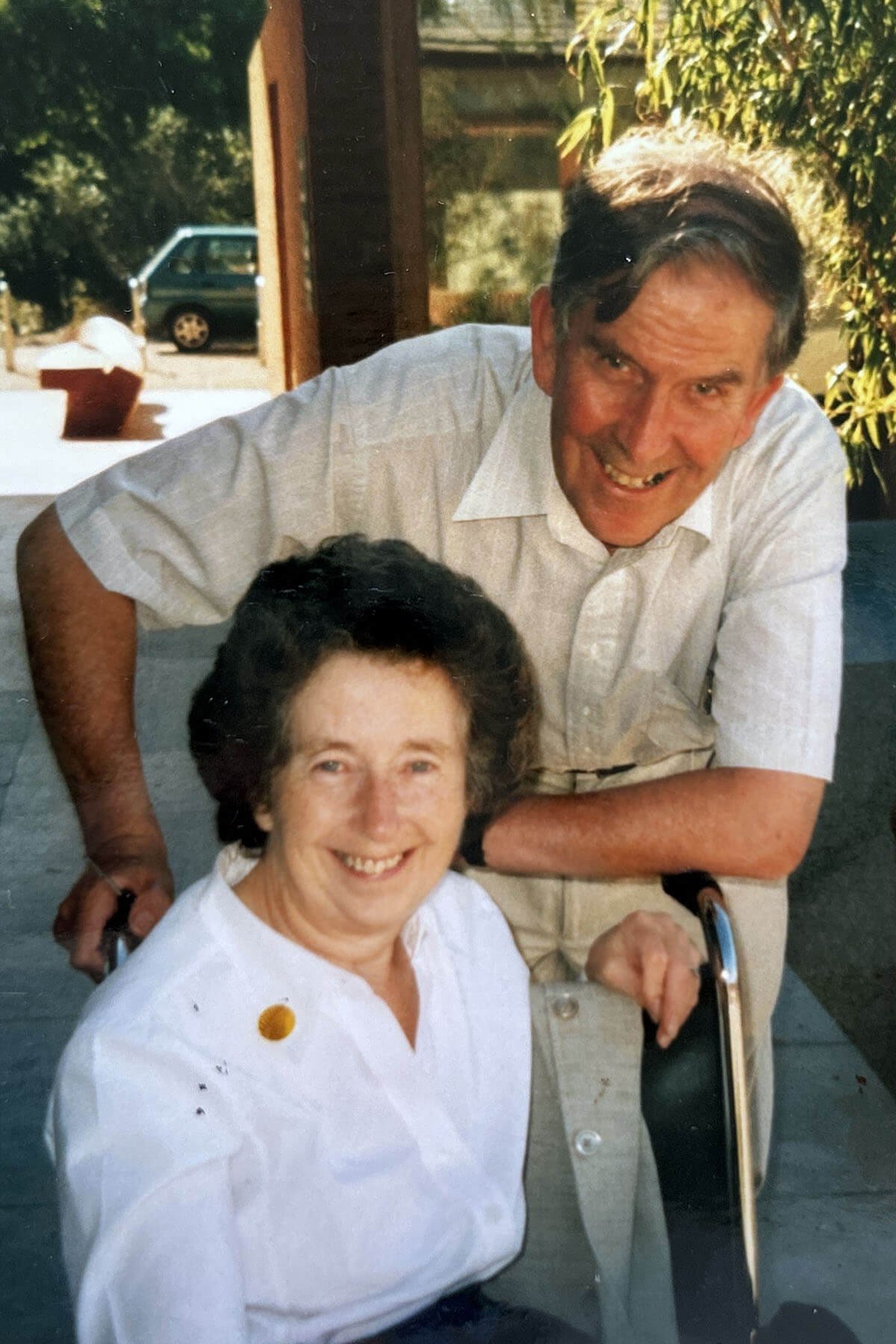
How did The Bridge Project begin?
Gay had children at South Wilts Grammar School and became increasingly aware that there was little support for Christian young people, or for those beginning to explore faith, across the city and within local schools. She also saw a lack of connection between young people from different churches and communities.
With that concern on her heart, Gay began speaking with local churches about the possibility of appointing a youth worker who could help meet some of these needs. There were obstacles along the way, and not everyone was immediately convinced, but Gay’s perseverance, alongside the support of a faithful group of local people from different churches, helped turn the vision into reality.
With the support of Churches Together in Salisbury, The Bridge was founded as an independent registered charity at the beginning of 1994. Our first Director, John Baxter Brown, was appointed and commissioned at a special service in Salisbury Cathedral in June that year.
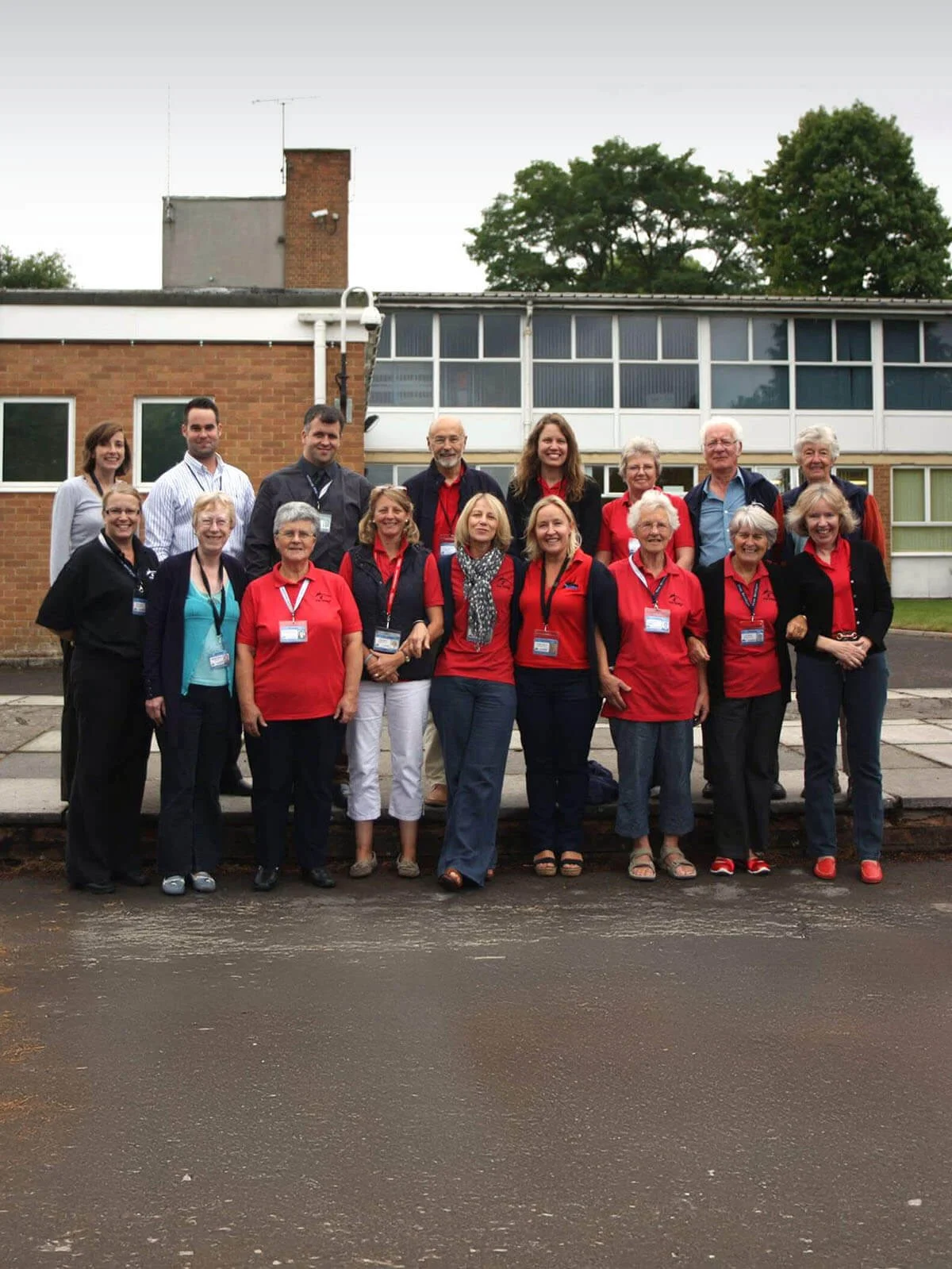
The early years
In the early days, The Bridge focused on youth events, community-based and detached youth work, and building relationships with local churches and schools.
One highlight was Megamix, a 90s-style event bringing young people from across the city together for music, fun, faith and friendship. Many still speak warmly of the impact it had on their journey of faith and belonging.
Alongside this, The Bridge began visiting local secondary schools through occasional assemblies, workshops and sessions, music, demonstrations, games, creative activities, thought-provoking input, simply going in, delivering something meaningful, and building trust with pupils and staff.
Schools work was still limited, but the seeds were being planted!
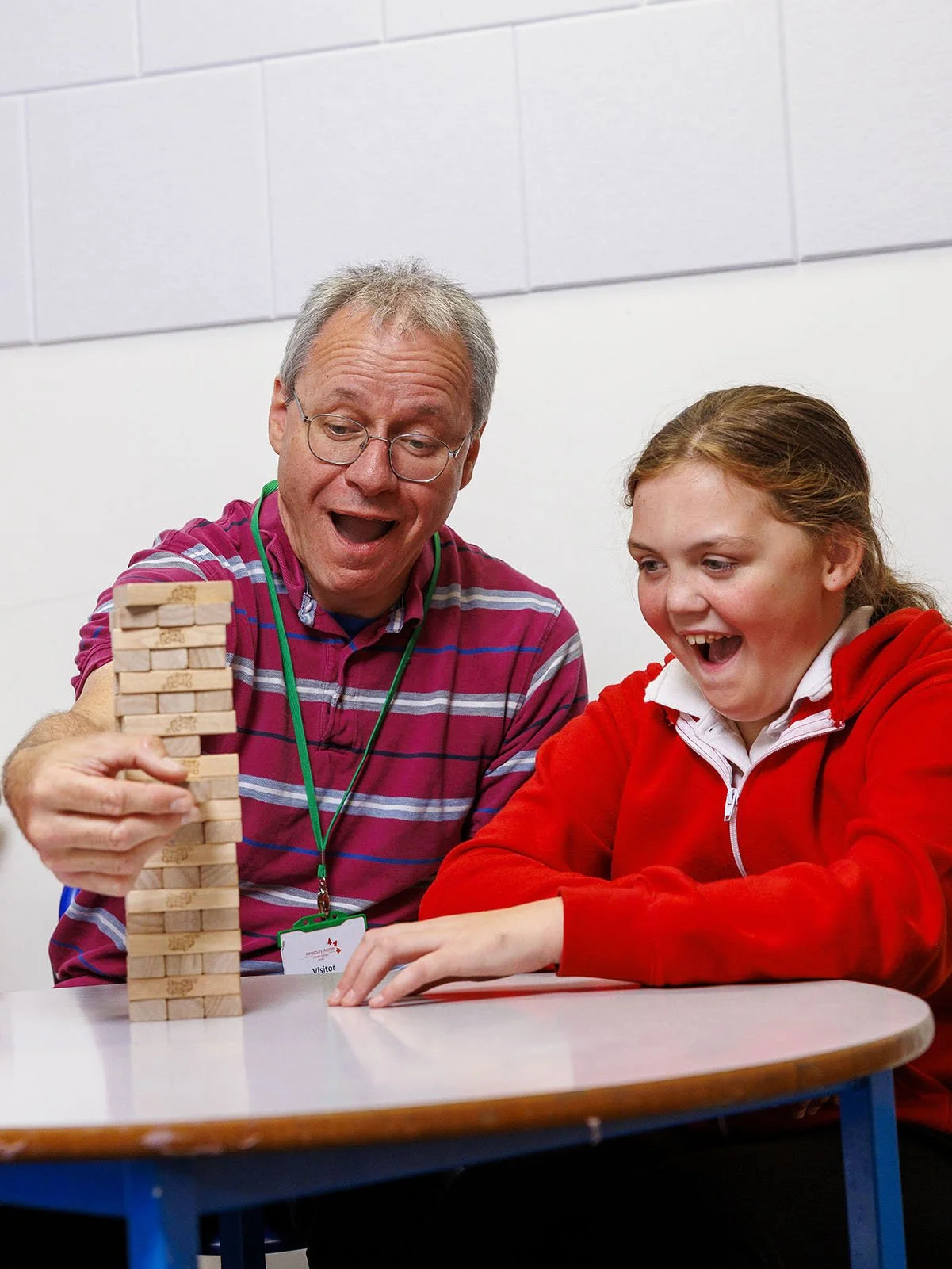
Growing in local schools
In 2000, a group of volunteers from local churches began developing primary school work, writing lessons, sessions and programmes for classrooms, assemblies and whole-school events. Over time, The Bridge appointed paid workers to lead both primary and secondary school work, backed by a committed volunteer team.
The 2000s became a season of deep growth. In primary schools, The Bridge built a strong menu of resources supporting:
RE and collective worship
Emotional literacy, self-esteem and confidence
Social skills
Key programmes like Celebration of Change (a Year 6 transition event), Sounds of Easter and Colours of Christmas became fixtures in local primary schools, and The Bridge became a trusted contributor to RE and school spiritual life across the Salisbury area.
In secondary schools, the work looked different but mattered just as much: building relationships and supporting young people exploring faith, identity and wellbeing.
Becoming more rooted
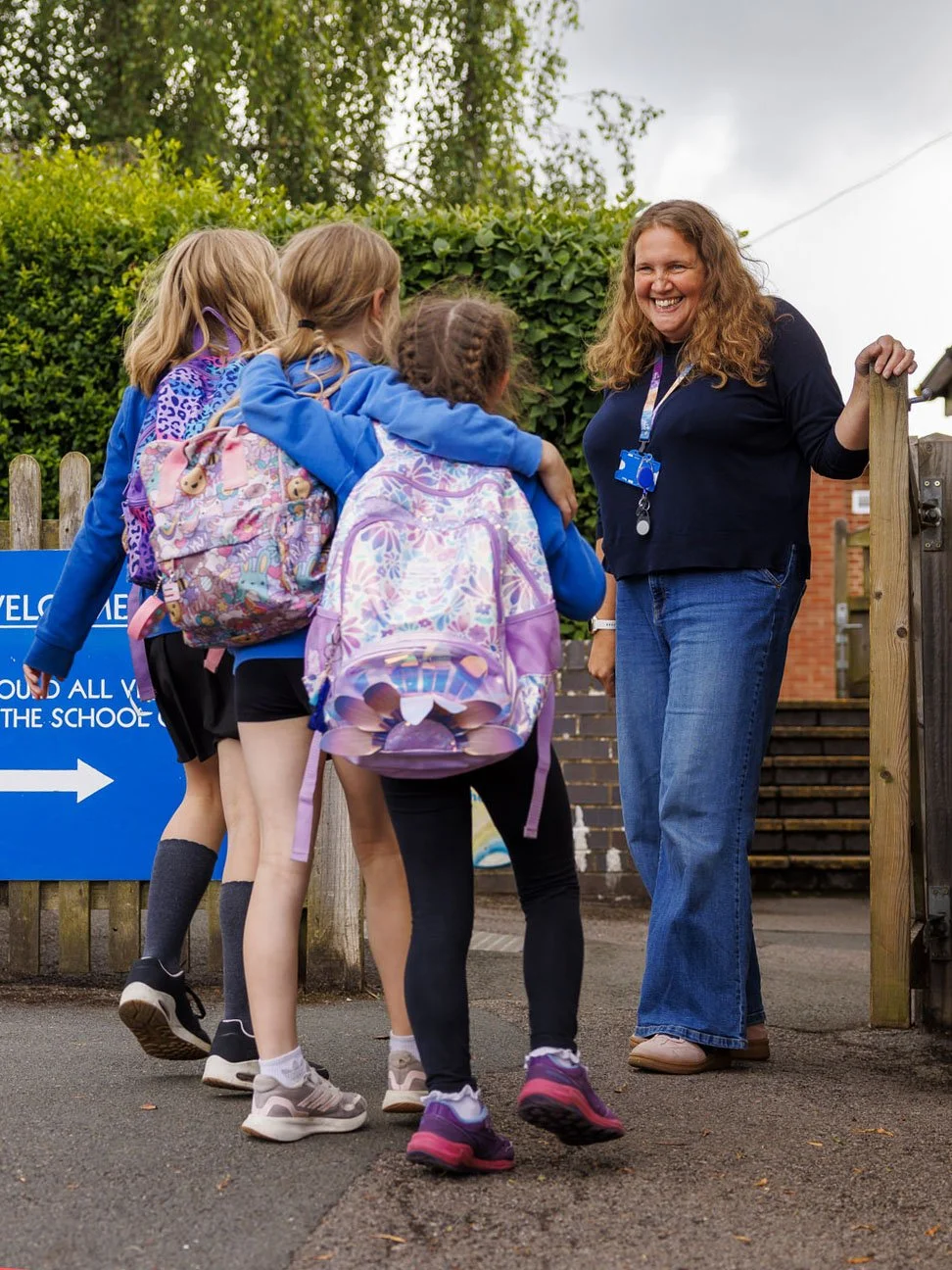
In 2010, The Bridge began piloting chaplaincy in local secondary schools.
This was a significant turning point.
Rather than visiting to deliver sessions and leave, chaplaincy let The Bridge become rooted in school life, with chaplains known and trusted by pupils and staff over time.
The Bridge was based for many years at Avon Valley College in Durrington, before later settling at Pembroke Park Primary School in Salisbury, a community school where we also have a chaplain.
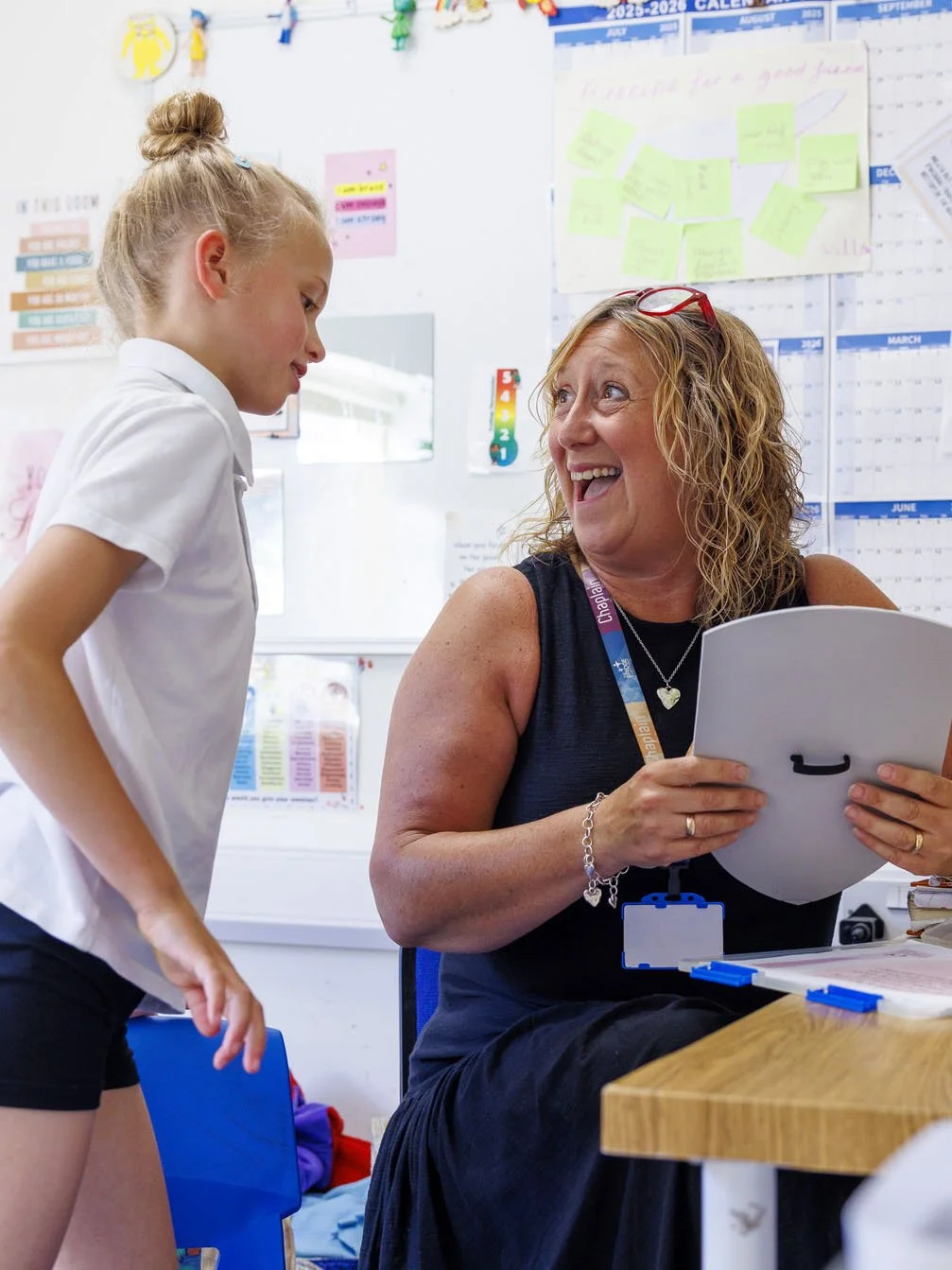
This shift shaped a growing conviction: schools did not need another programme or visitor, they needed a person, someone with time to listen, build relationships, and become part of the school community.
From programmes to presence
In 2020, building on secondary chaplaincy's success and the growing needs of the Covid-19 pandemic, The Bridge launched a primary school chaplaincy pilot with seven schools across Salisbury, Devizes, Royal Wootton Bassett and Calne.
Alongside our usual lessons, assemblies and events, we explored something new: what if a school had its own chaplain, not just a visitor, but a regular part of the community?
The impact was clear fast.
Chaplains could support children, staff and families more deeply and consistently, respond to each school's unique context, and walk alongside people through change and difficulty, creating space for wellbeing, belonging and hope.
That impact led to a strategic shift: chaplaincy moved from being one part of The Bridge's work to becoming the heart of it.
The Bridge today
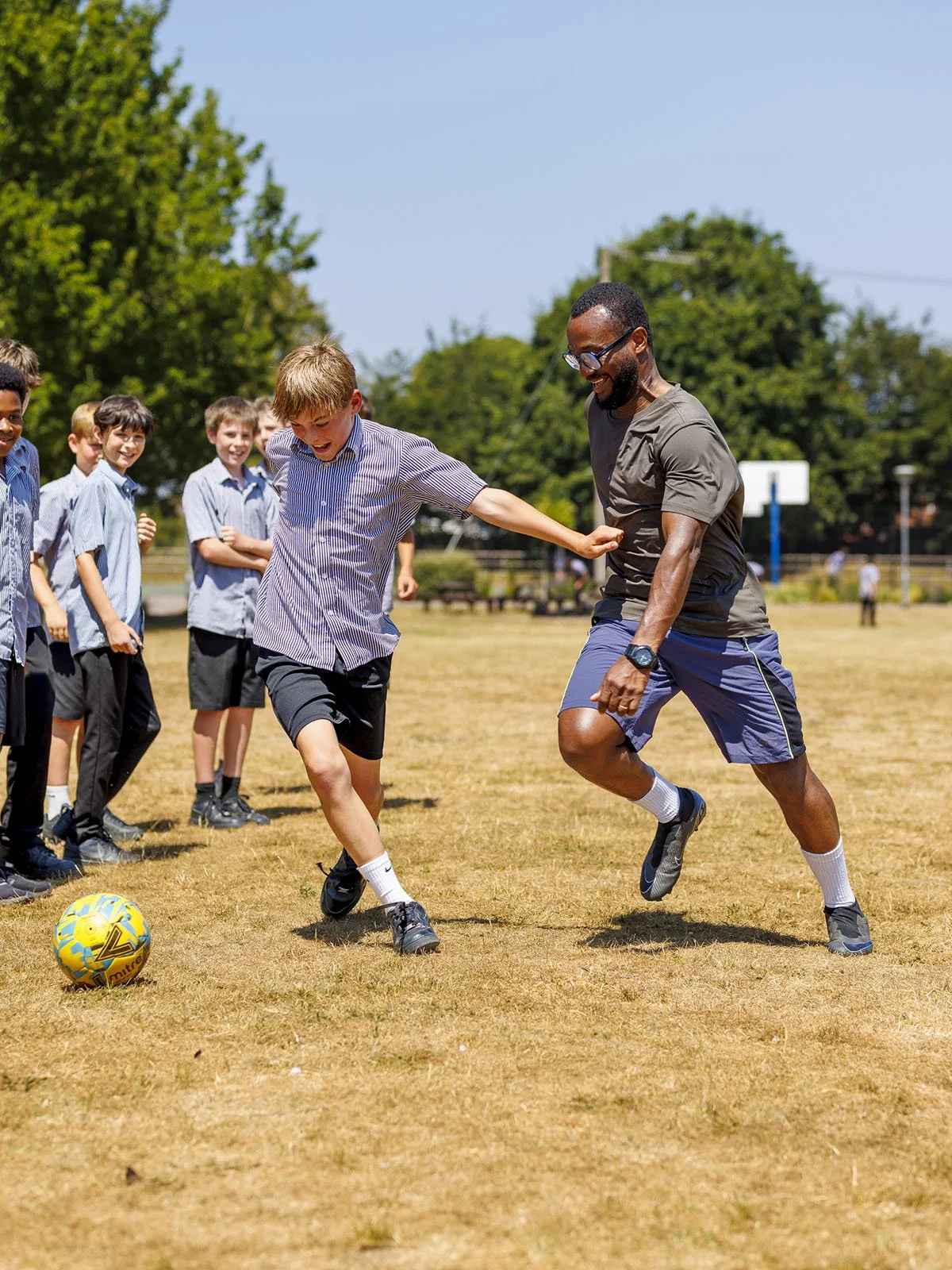
In the early 2020s, the team grew fast as more schools invited The Bridge Project in. By 2024, we had chaplains in 27 schools across Wiltshire and north Dorset, spanning primary, secondary, community, church and independent settings.
The Bridge has changed a lot since 1994, but the heart stays the same: serve young people, support schools and churches, and create space for faith, hope and love.
Looking ahead
We are at an exciting point in our story.
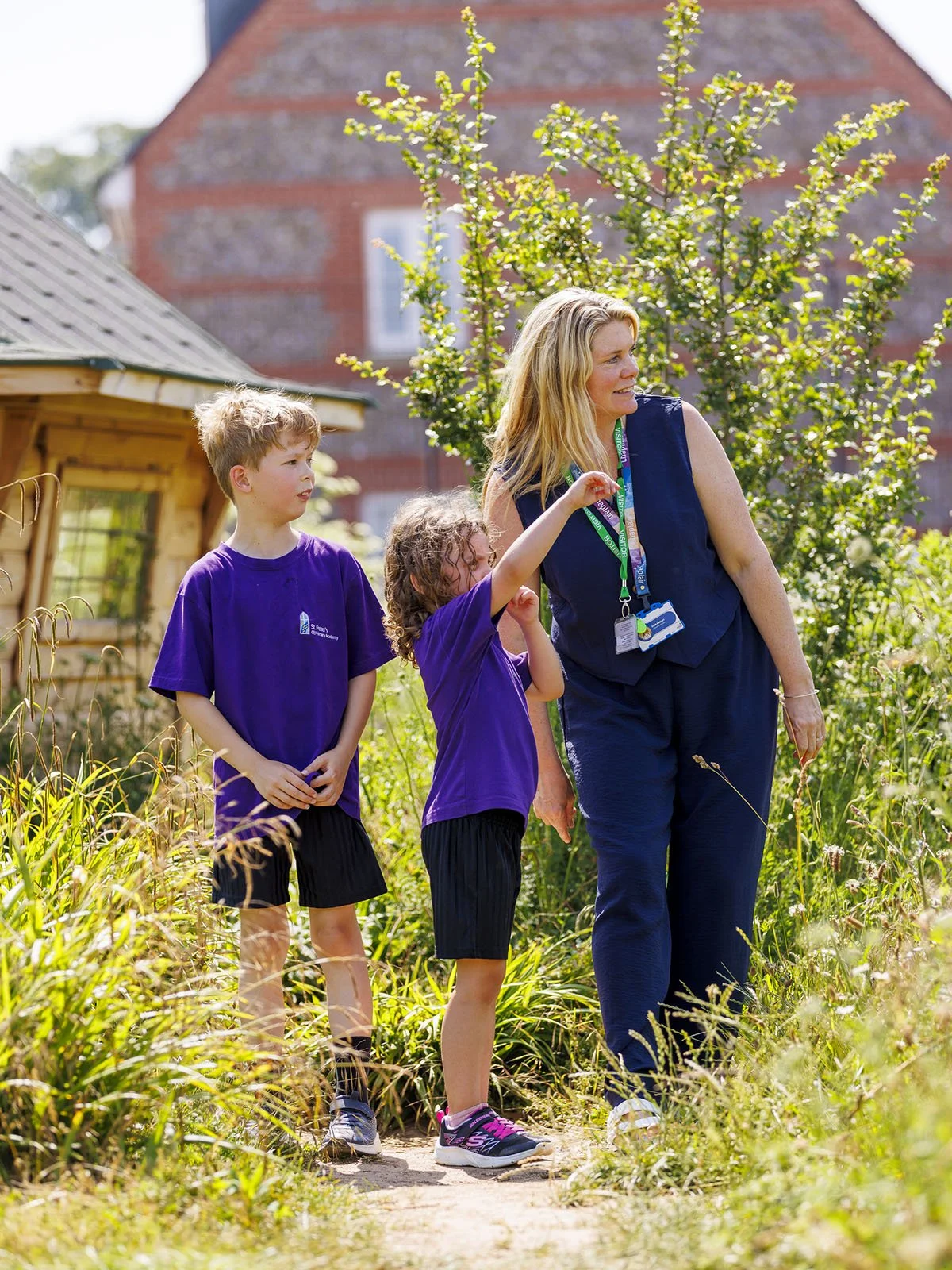
With years of experience in school chaplaincy, we want to deepen that work locally and help others develop similar chaplaincy in their own contexts. Our heart is to equip others to place chaplains in their local schools. For The Bridge Project to be locally rooted but influence widely!
We have also launched Third Space, a community-based youth work initiative creating welcoming spaces for young people beyond the school gate. It's about gathering young people across the city, supporting those exploring faith, and building belonging and hope among young Christians.
We look ahead with gratitude for the past and hope for what's next. Our prayer remains simple: that young lives keep being transformed by being seen, known and loved.
-
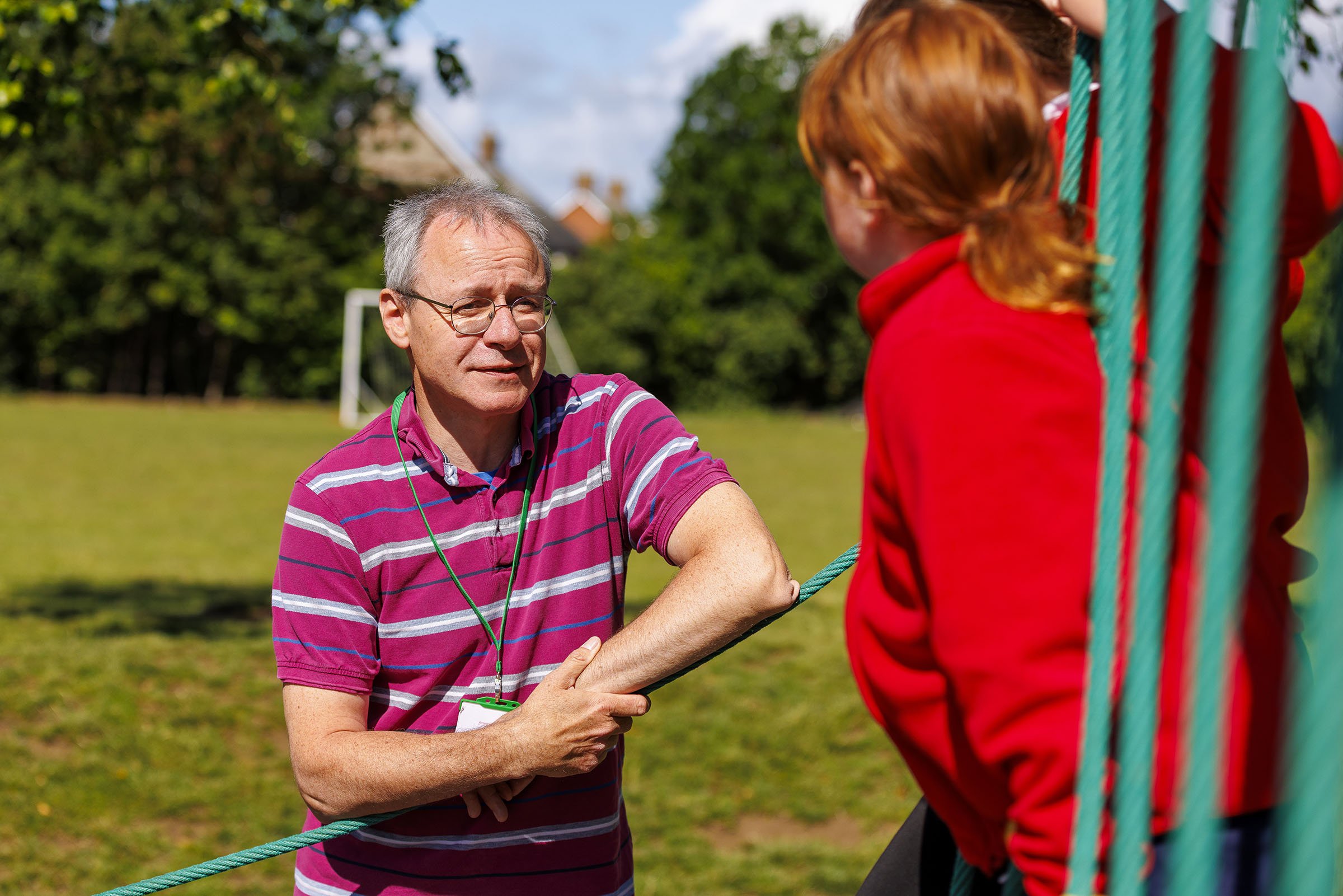
Chaplaincy in schools
Through mentoring, clubs, workshops, prayer spaces, collective worship and individual support, our chaplains help young people grow in wellbeing, spirituality and hope.
-
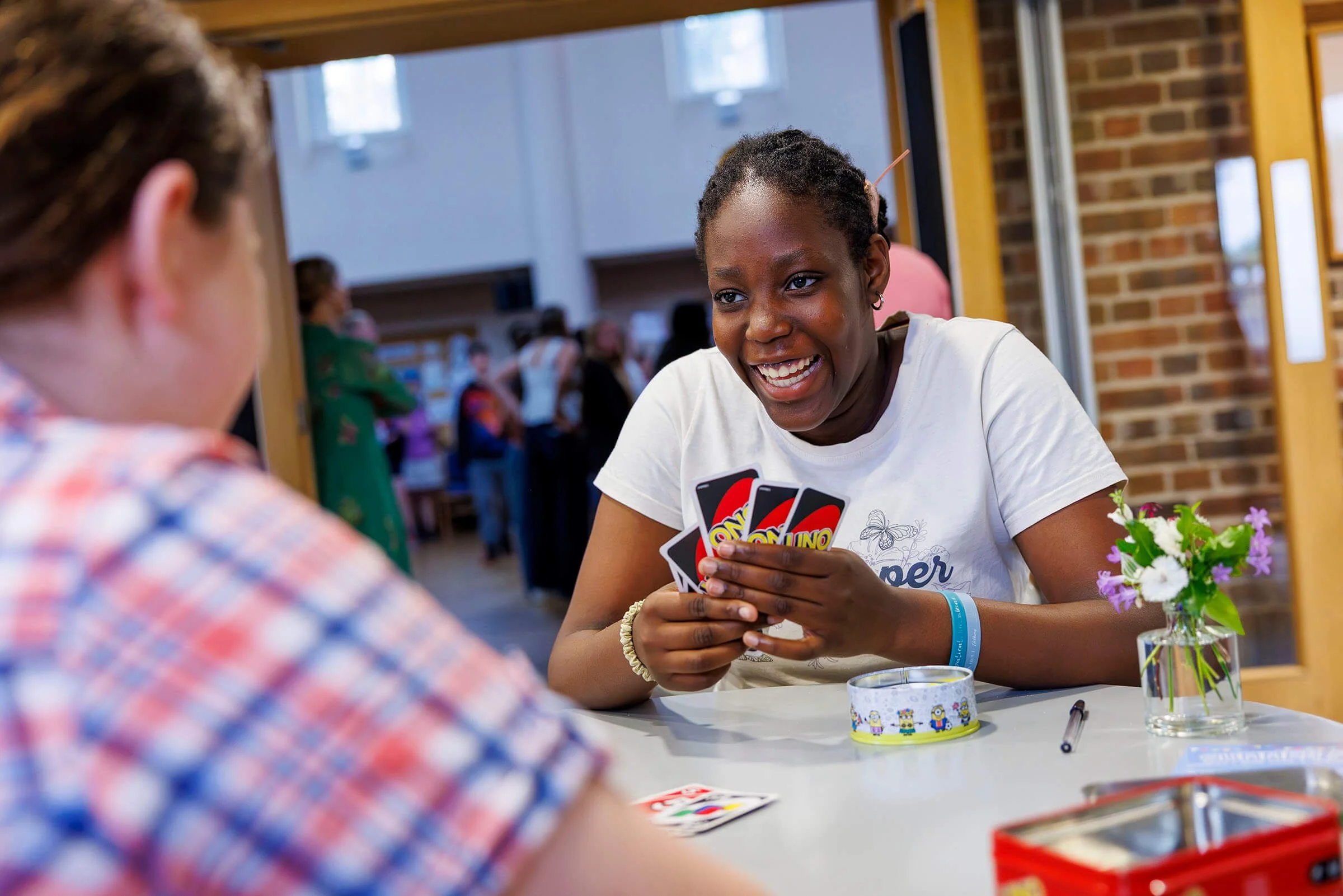
The Third Space
Working alongside local churches and community partners, The Third Space is where young people can belong, build friendships and explore faith.