
Stories

Discover the real-life stories of the young people we support every day, and the difference that trusted relationships can make.

A lifeline for children from army families
Through my role as Chair of the Army Widows’ Association, I have seen the emotional impact that military life can have on children.
Behind every deployment, move and period of uncertainty are young people carrying pride, worry, fear and resilience. In some Service communities, up to 30% of pupils come from Army families. Many are currently preparing for months apart from a parent deployed overseas.
For these children, a school chaplain is not an add-on. They can be a lifeline.
A chaplain offers a consistent, trusted presence: someone who notices changes, listens without judgement and understands the particular challenges of military life. This can be especially important for children who experience repeated moves, transitions and goodbyes.
One-to-one mentoring and bereavement support give children a safe place to express feelings they may struggle to share at home, particularly when the parent who remains is also carrying the pressures of deployment.
This quiet, dependable support helps children feel secure, valued and understood. It strengthens families, reassures parents and protects the wellbeing of children who serve alongside their loved ones.
Audrey Hamilton Nealon
Chair, Army Widows’ Association

A listening ear through year 13
C’S STORY
When C joined sixth form from another school, she found the transition to A Levels difficult. She experienced anxiety, low self-esteem and periods of self-doubt, often becoming caught in overthinking.
Throughout Year 13, C met weekly with her school chaplain. These sessions did not aim to provide easy answers. Instead, they offered a safe, non-judgemental place where she could speak openly about her worries, relationships, emotions and hopes for the future.
Together, they explored friendship, confidence, anger, purpose and personal values. C identified love, kindness, growth, success and patience as important to her. She also recognised that although she readily showed patience to others, she found it much harder to extend that same grace to herself.
There were times when C struggled with low mood, poor sleep and eating in school. Alongside professional support, chaplaincy gave her a consistent place to be heard and reminded her that she did not have to carry everything alone.
The sessions also made room for laughter, gratitude and hope. C spoke often about her ambition to become a flight attendant and gradually grew more confident in advocating for herself and asking for support.
By their final meeting, she felt calmer about her exams and more hopeful about life beyond school. Her story reflects the heart of chaplaincy: showing up, listening well and walking alongside a young person through an important season of their life.

Finding belonging
A’S STORY
When A first began meeting with his mentor, he appeared withdrawn, overwhelmed and uncertain about his future.
As a young person seeking asylum in the UK, he was living with significant uncertainty and family instability. He found it difficult to trust adults, express his emotions, make decisions and form friendships.
A consistent weekly mentoring session became an important anchor. Through patient listening, clear boundaries and predictable support, trust began to grow.
The sessions helped A recognise and name his emotions, understand his triggers and feel less overwhelmed. Fitness activities also gave him structure, routine and a growing sense of achievement.
Joining a school football group became a particularly important part of his journey. Football provided a natural way to connect with other pupils, practise teamwork and experience a sense of belonging without the pressure of having to explain everything he had been through.
Over time, A became calmer, more focused and increasingly able to express himself. His confidence improved, he began taking pride in his physical progress and he started using sport to build friendships rather than withdrawing from others.
A continues to face uncertainty, and consistent support remains essential. However, his progress shows the difference a stable adult relationship can make.
Through mentoring, encouragement and structured activity, A has moved from isolation and confusion towards trust, confidence and connection.
-
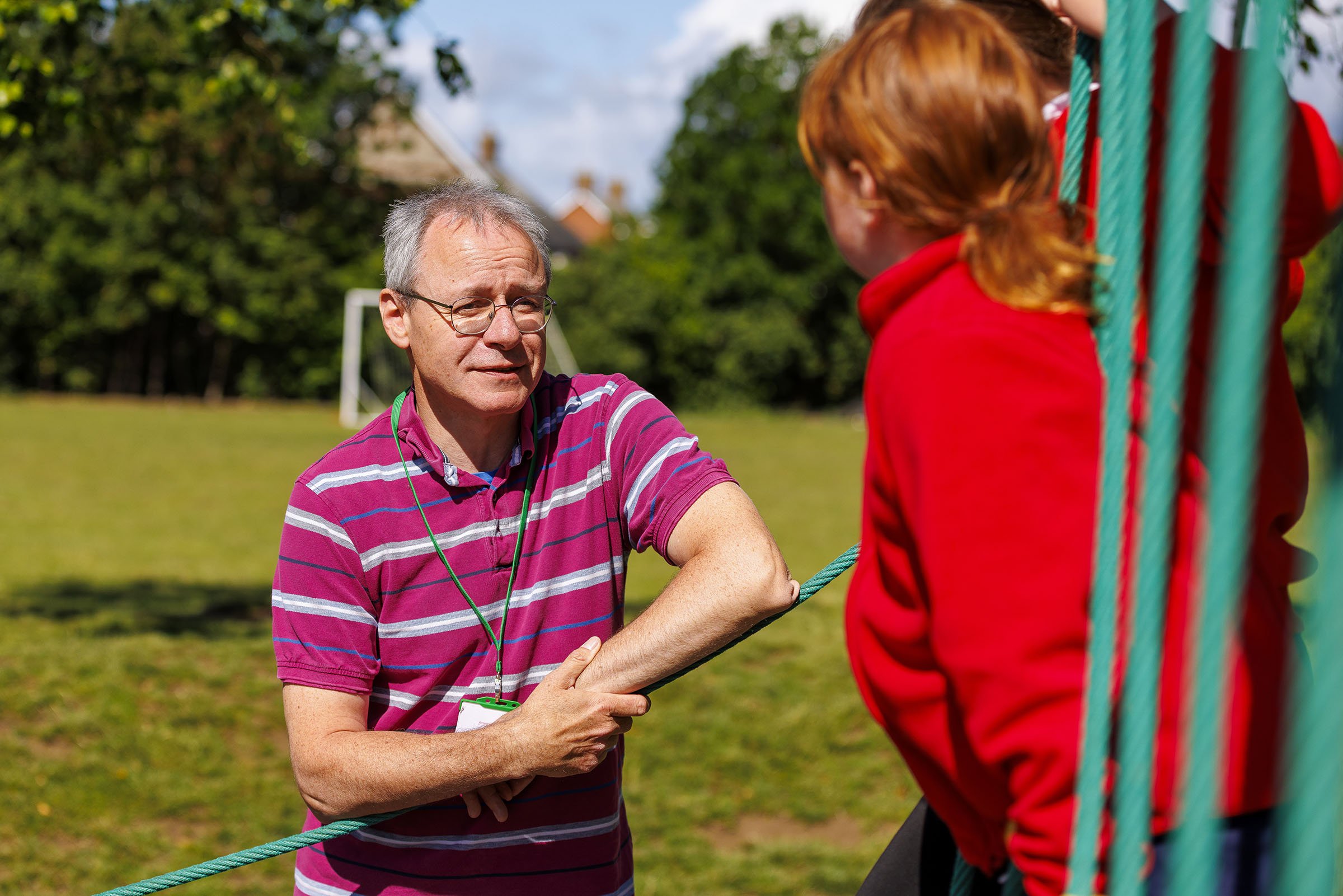
Chaplaincy in schools
Through mentoring, clubs, workshops, prayer spaces, collective worship and individual support, our chaplains help young people grow in wellbeing, spirituality and hope.
-
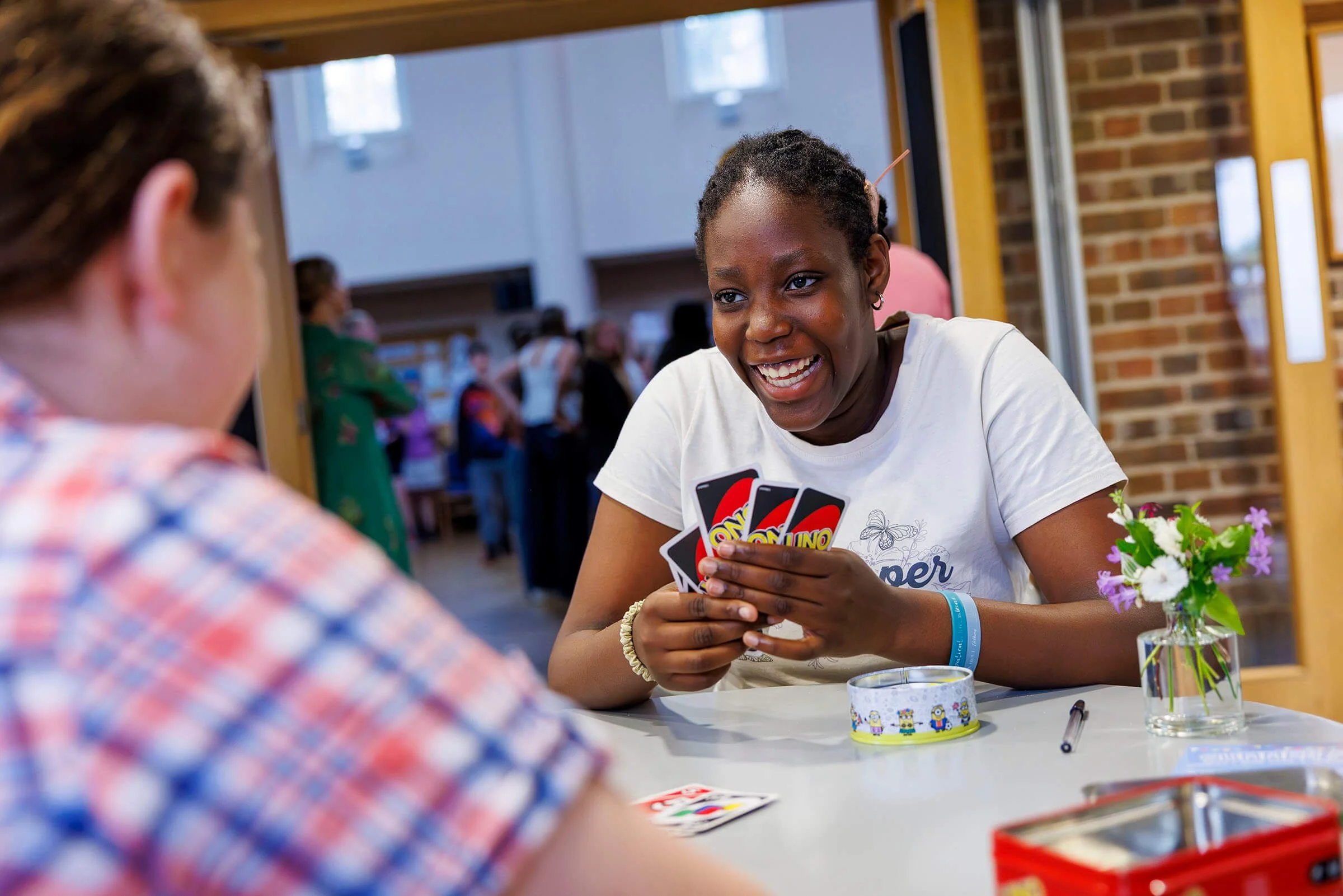
The Third Space
Working alongside local churches and community partners, The Third Space is where young people can belong, build friendships and explore faith.