
Mentoring & wellbeing
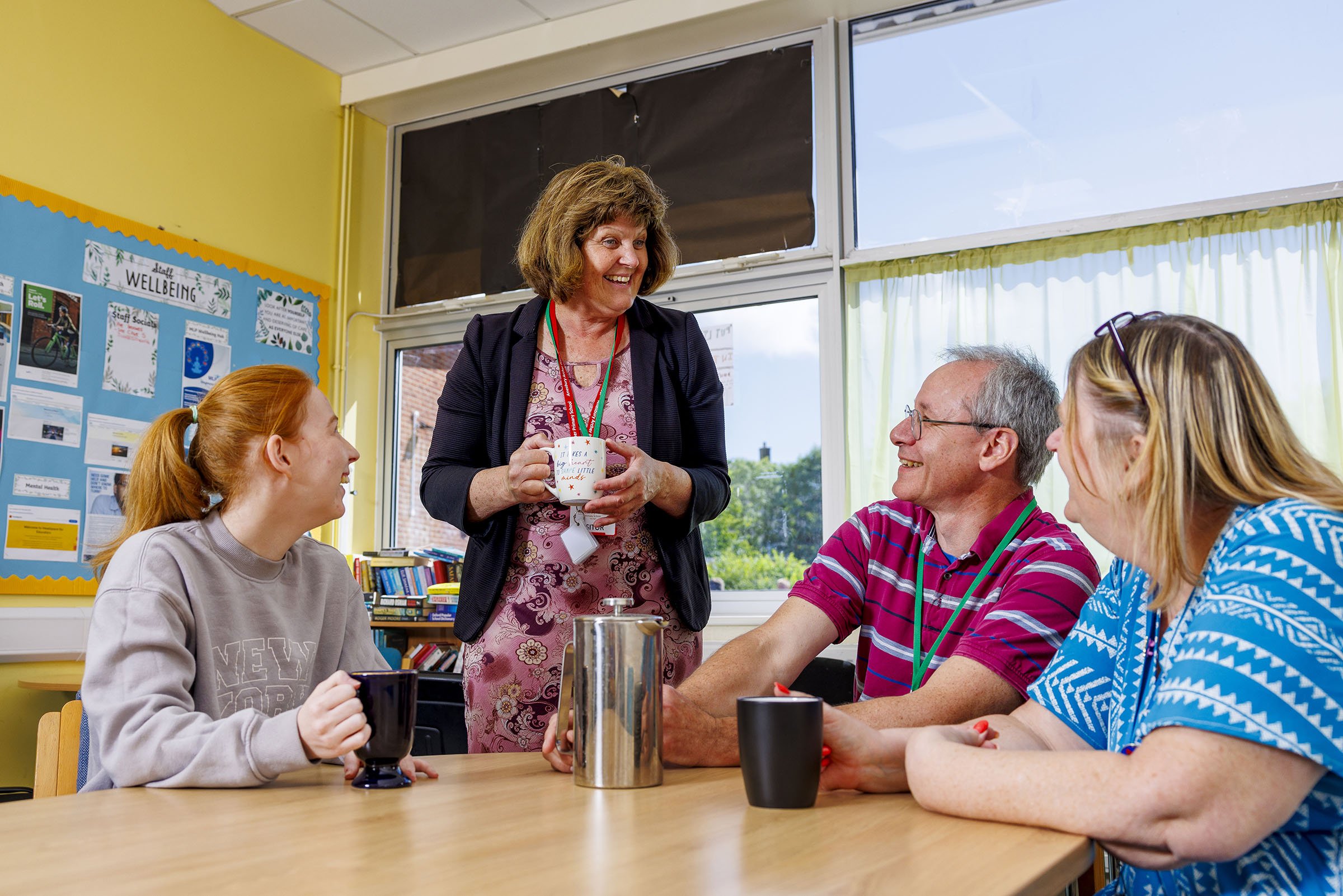
Growing up brings many changes, pressures and challenges. For some children, worries about friendships, family life, schoolwork or moving to secondary school can begin to feel overwhelming.
Our mentoring programme gives children the opportunity to spend regular, focused time with a trusted adult who will listen, encourage them and help them develop practical strategies for managing life’s challenges.
At the heart of our approach is a simple belief: every child deserves to be seen, known and loved.
Why mentoring matters
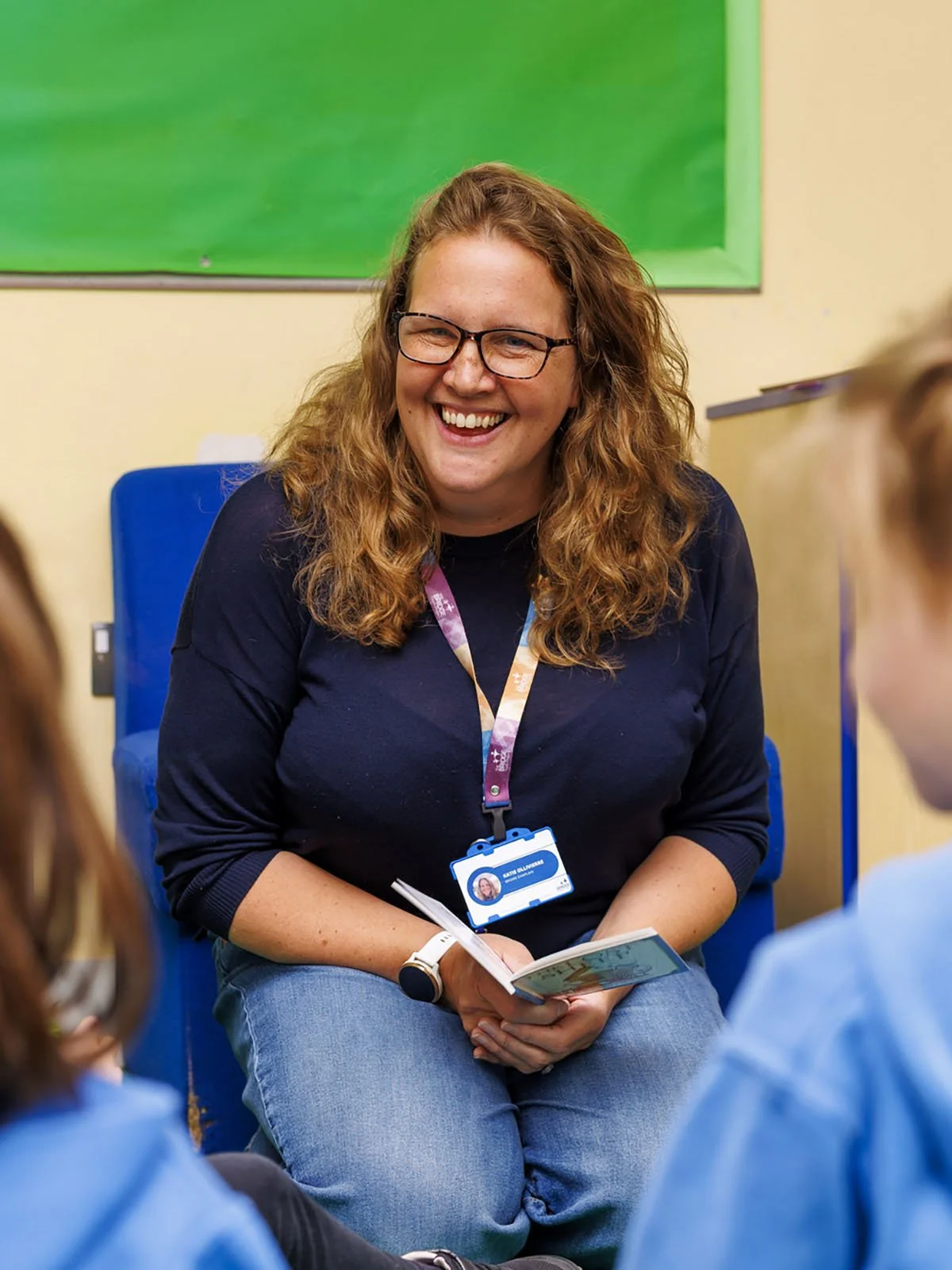
Children do not always need someone to solve their problems. Sometimes, they need a safe person who has time to listen.
Schools are working hard to support pupils, but teachers and pastoral teams are under significant pressure. A trained volunteer mentor can offer additional time and consistency, helping a child to explore their feelings, recognise their strengths and build confidence.
The need for early wellbeing support is significant
-
More than one million children had an active referral to children and young people’s mental-health services during 2024–25—almost double the number in 2018–19.
Source: Children’s Commissioner for England, Children’s and Young People’s Mental Health Services 2024–25, published June 2026.
-
Government research has identified a strong relationship between mental ill health and absence from school, particularly as levels of absence increase.
Source: Office for National Statistics, Child mental ill health and absence from school, England: 2021 to 2022, published September 2025
-
In a 2025 national survey, only 55% of pupils and learners agreed that their school or college taught them how to look after their mental health.
Source: Department for Education, Parent, Pupil and Learner Voice: May 2025. The survey included 3,607 pupils and learners.
My Happy Place* programme
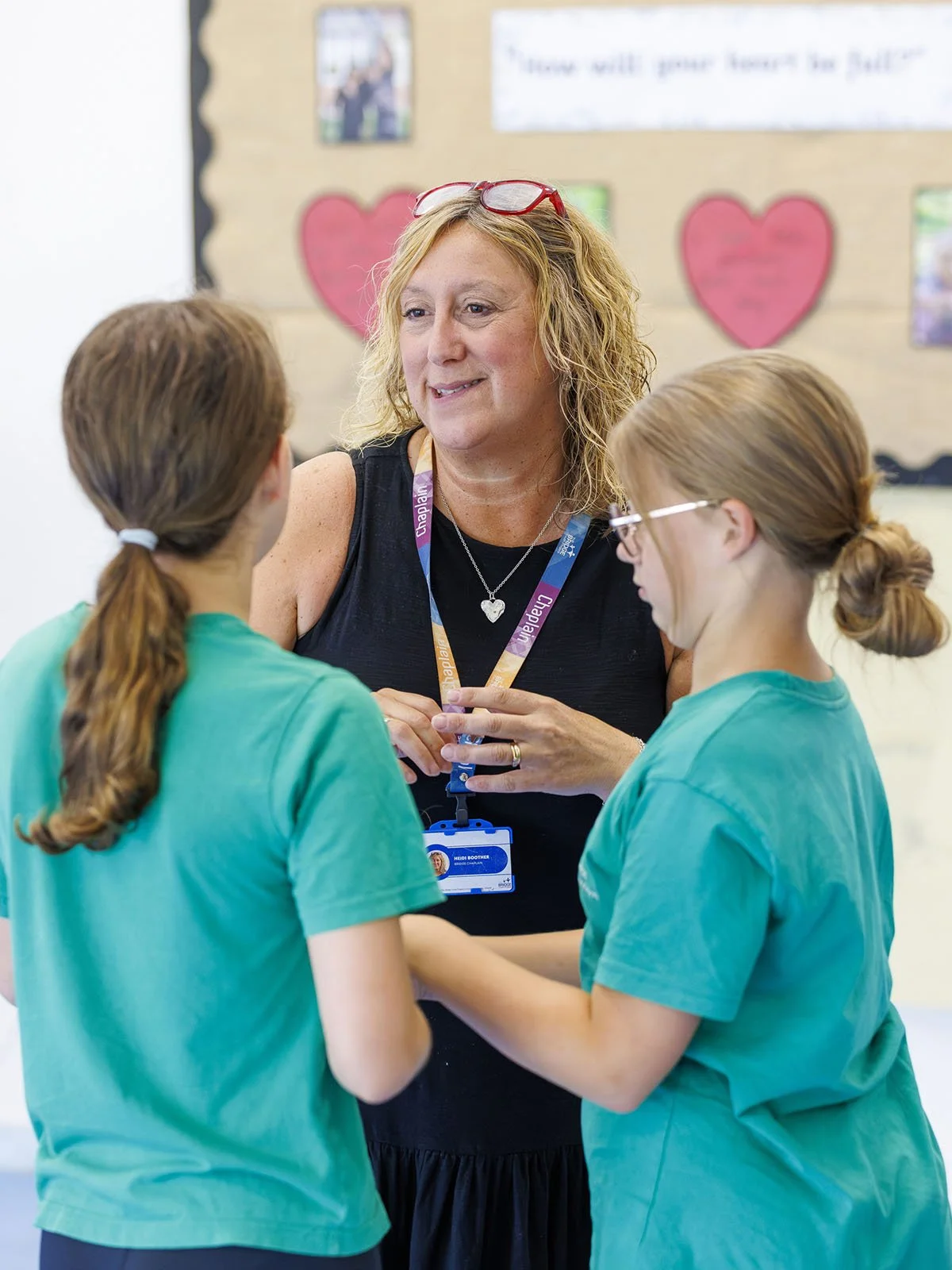
Our mentors use My Happy Place, an eight-to-ten-week wellbeing programme created specifically for primary-aged children in Year 5 and 6.
A mentor usually meets individually with a child for approximately 30–45 minutes each week. Together, they work through age-appropriate activities and conversations that help the child to
recognise and talk about their feelings
understand worries and anxious thoughts
identify trusted people and sources of support
discover calming and coping strategies
recognise their strengths
build confidence and resilience
approach change and challenges more positively
The activities provide a helpful structure, but the most important part of mentoring is the relationship. Mentors offer children a consistent listening presence, a safe sounding board and someone who will notice their progress and cheer them on.
*My Happy Place is a resource created by The Bridge Project
Who can benefit?
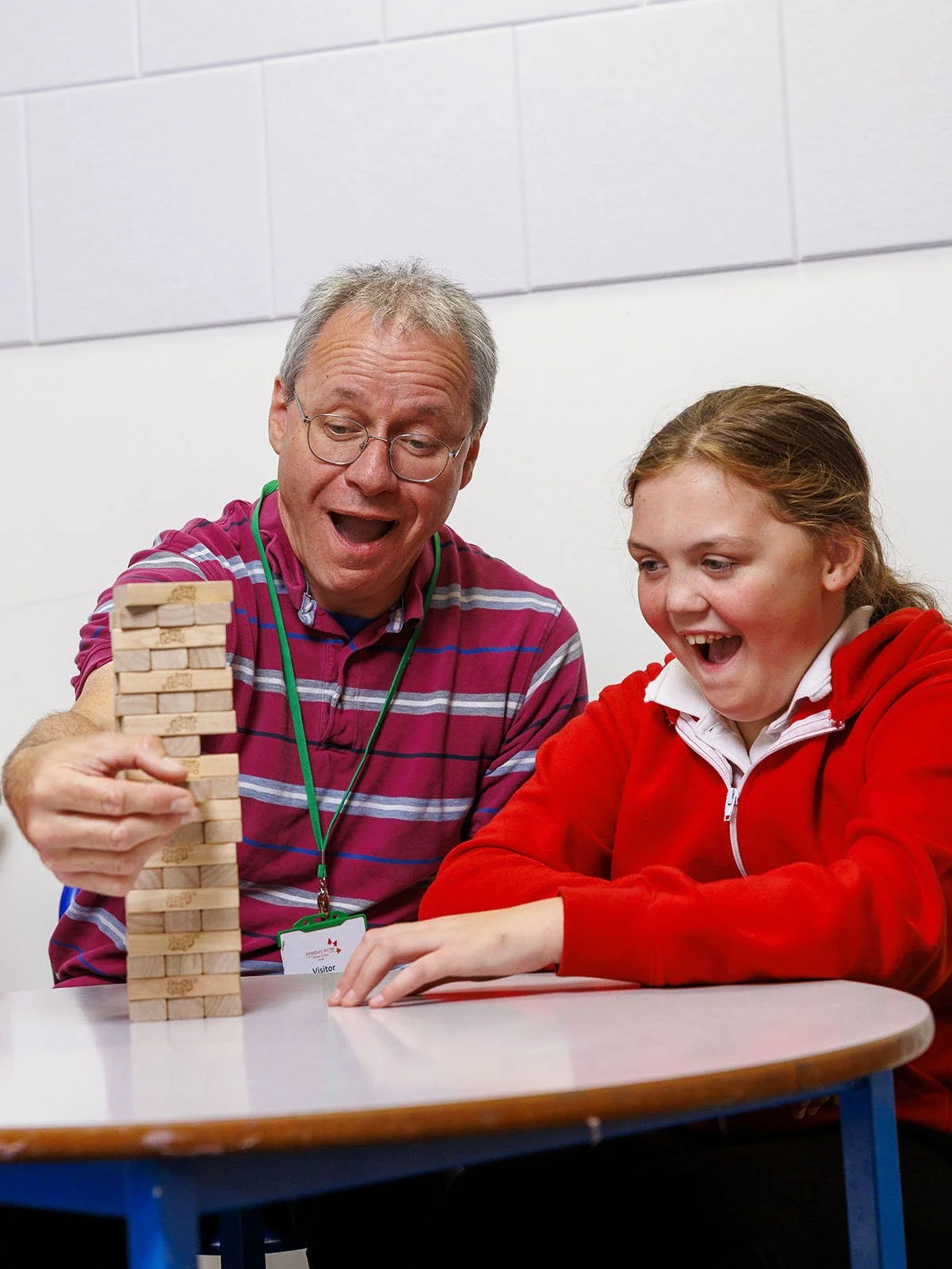
Mentoring may support a child who is
experiencing worries or low confidence
finding friendships or relationships difficult
coping with change at home or school
preparing for the transition to secondary school
struggling to express their feelings
becoming overwhelmed by everyday situations
likely to benefit from regular encouragement and individual attention
Children are identified in partnership with the school and its pastoral or chaplaincy team.
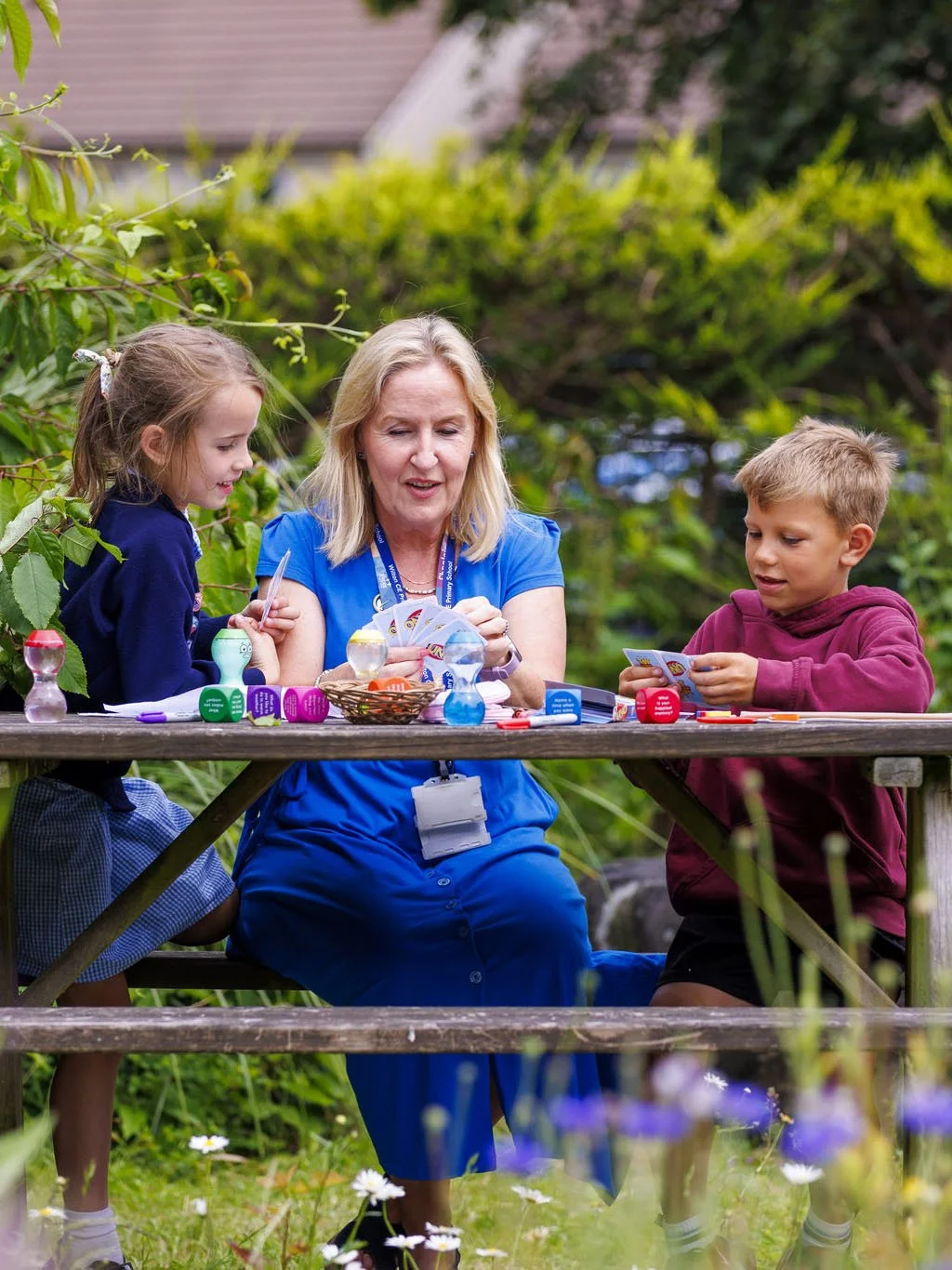
A trusted presence within school
Our mentors work in primary schools where The Bridge Project already has an established chaplaincy presence. This means mentoring forms part of a wider network of care around the child.
Mentors are carefully recruited, appropriately checked and trained before being matched with a school and child. They are supported throughout the programme by our Mentoring Co-ordinator and the school’s Bridge Chaplain.
Safeguarding, confidentiality and clear professional boundaries are central to everything we do.
-
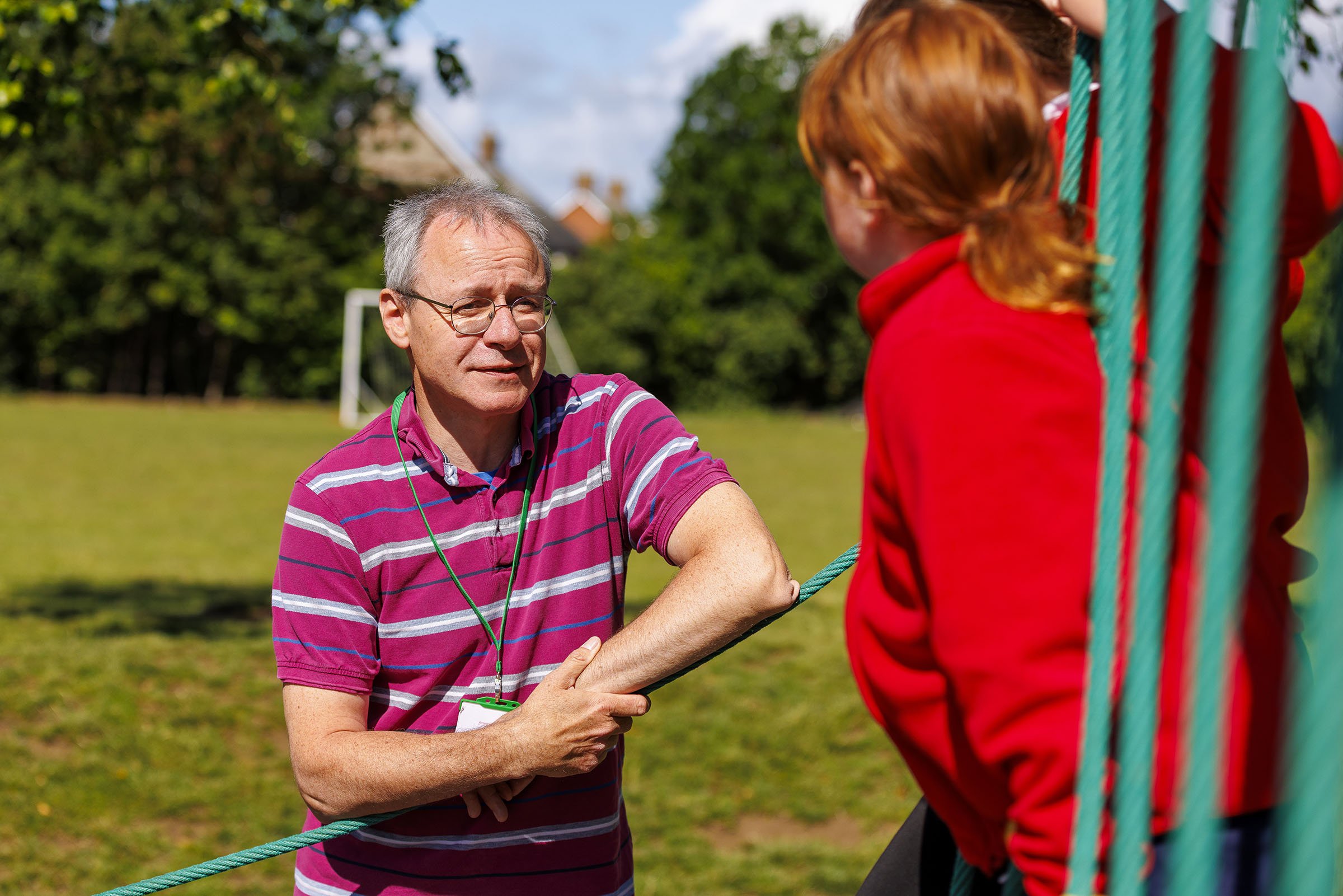
Chaplaincy in schools
Through mentoring, clubs, workshops, prayer spaces, collective worship and individual support, our chaplains help young people grow in wellbeing, spirituality and hope.
-
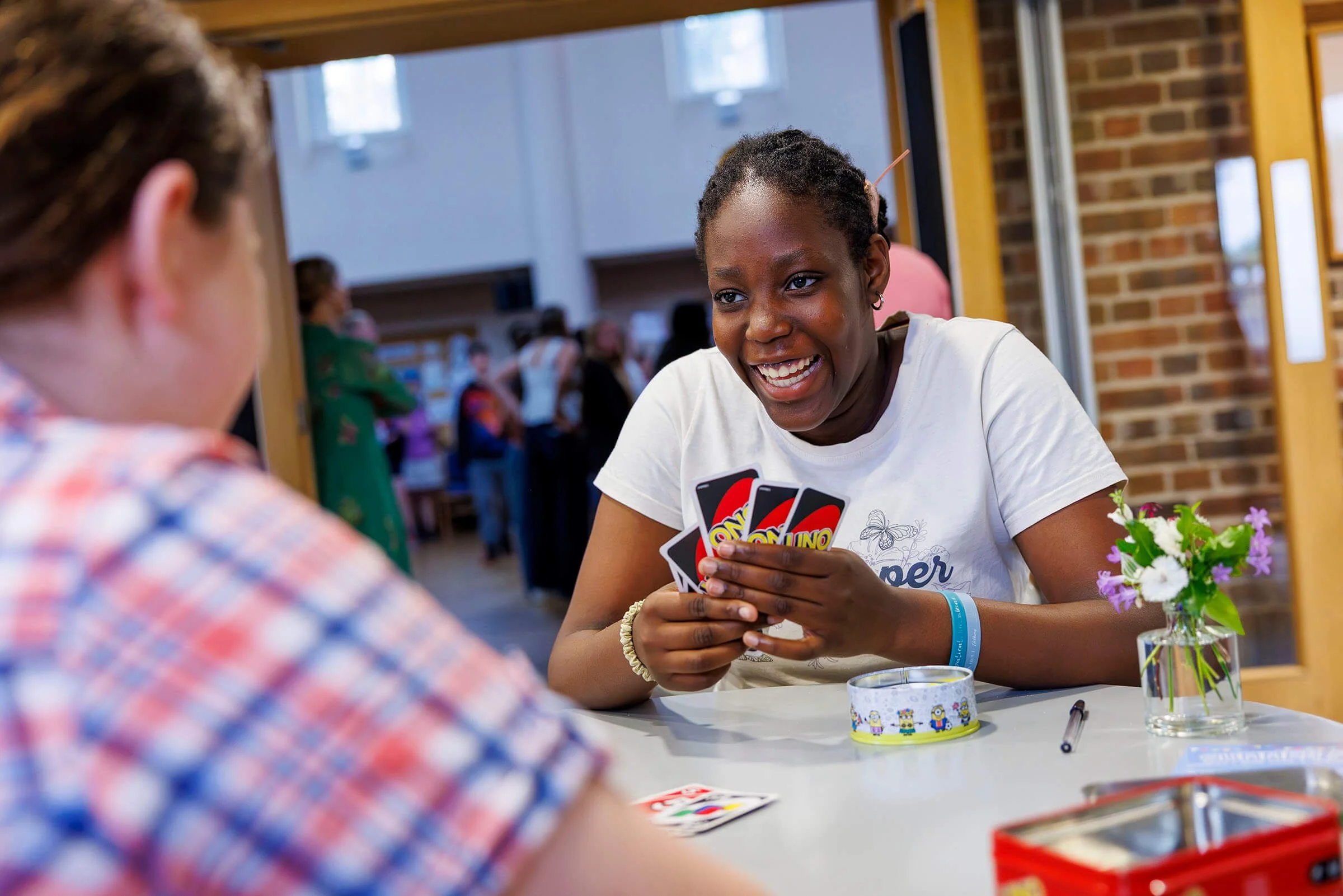
The Third Space
Working alongside local churches and community partners, The Third Space is where young people can belong, build friendships and explore faith.